
Intel's Big Comeback: With US Backing, Tech Giants Like Apple Join the Chipmaker's Bold New Chapter!
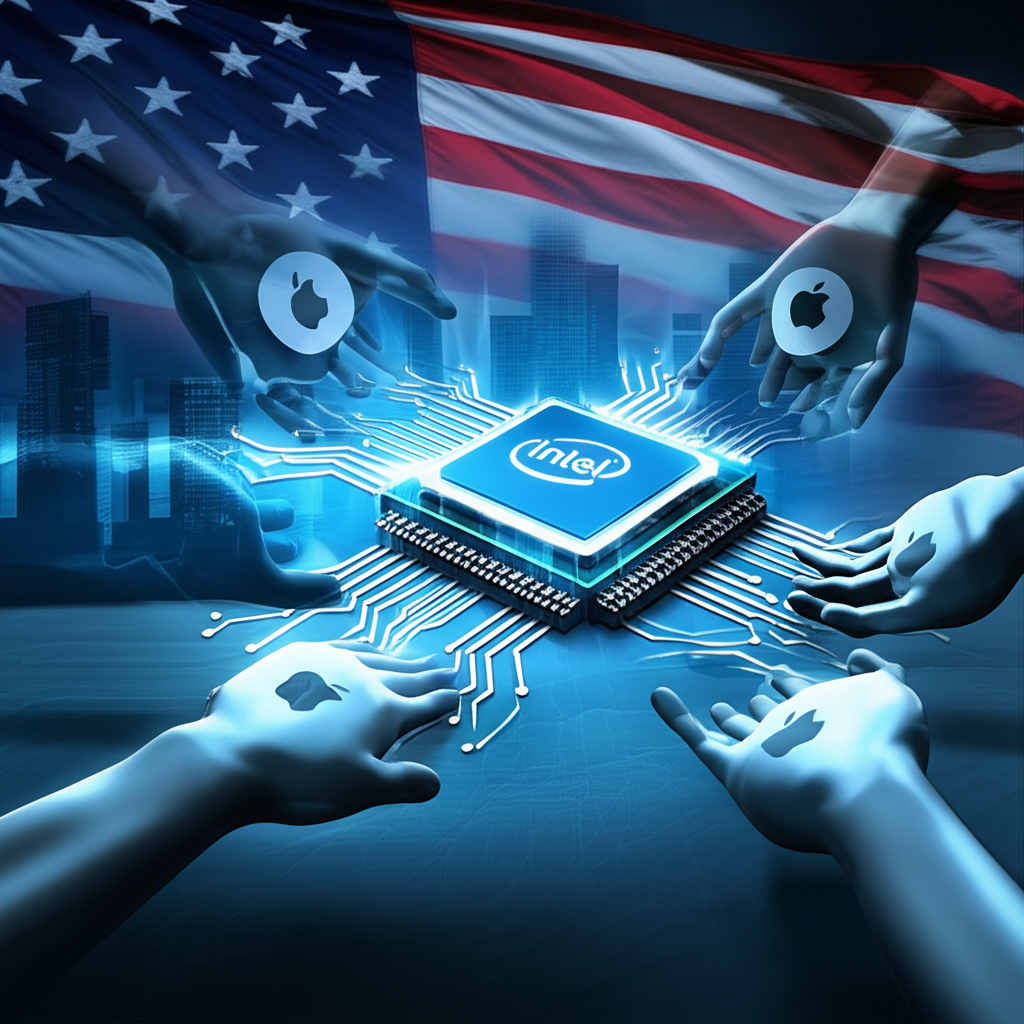
Intel's Bold Comeback: Apple and US Government Fuel a New Era for Chip Manufacturing
Intel, a name synonymous with innovation and the backbone of countless technological advancements, is on the cusp of a major resurgence. With the United States government now holding a significant 10% stake and global tech giants like Apple throwing their substantial support behind the semiconductor powerhouse, this is not just another corporate announcement. This strategic alliance promises to redefine the future of chip manufacturing, setting the stage for a dramatic industry shift. But what does this monumental collaboration truly mean for the tech industry, the broader economy, and your considerations for the #bestinvestmentsfor2025? It is a story unfolding with profound implications for us all.
The Foundation of a Resurgence: Understanding Intel's Strategic Partnerships
For years, Intel has been a cornerstone of American technology, but the landscape of semiconductor manufacturing has become intensely competitive. This recent development, where the U.S. government has taken a 10% stake, signals a powerful national commitment to bolstering domestic chip production. It is a clear message that the United States is serious about securing its technological future and ensuring leadership in a critical global industry. This kind of #uiginvestments from a government level provides a stable foundation, offering Intel a unique advantage as it navigates the complexities of global supply chains and technological innovation.
What makes this even more compelling is the robust support Intel is receiving from other major tech companies, notably Apple. This is not a small gesture; it is a strategic alignment. Apple, known for its meticulous standards and innovative product design, choosing to back Intel underscores a shared vision for advanced silicon development. When a company of Apple's caliber commits its support, it sends a ripple of confidence throughout the industry. Other tech players are following suit, recognizing the immense potential in a revitalized Intel. This collective effort is more than just financial backing; it represents a pooling of expertise, resources, and market influence that can accelerate Intel’s technological roadmap significantly. For those seeking a #financialcompanynearme to guide their investment decisions, understanding these foundational shifts in industry leadership is paramount.
Expert Views on This Game-Changing Alliance and Its Impact on #DiversifiedInvestments
Industry analysts are watching this development with keen interest, and many are offering optimistic outlooks. The consensus leans towards viewing this as a powerful catalyst for Intel, potentially reclaiming its position at the forefront of semiconductor innovation. This government-backed, industry-supported push provides Intel with the capital and collaborative ecosystem needed to invest heavily in research and development, particularly in next-generation chip architectures. Experts believe this could lead to breakthroughs that benefit not only Intel but the entire tech ecosystem.
From an investment perspective, this alliance significantly de-risks Intel’s comeback bid. The government's stake implies a long-term commitment and strategic importance, which can be reassuring for investors concerned about #risk tolerance level in stock investing. Furthermore, the collaboration with Apple and others suggests future demand and a clear path for Intel’s advanced products. For individuals considering #diversifiedinvestments, Intel’s resurgence might present an interesting opportunity. The stability provided by government backing, combined with the market pull from leading tech companies, creates a compelling narrative for growth. #Investor decisions based on reviews of these strategic partnerships will likely highlight the potential for long-term value creation, making Intel a topic of discussion among those planning their portfolios.
What Intel's Comeback Means for Markets, Users, and Future #InvestmentAdvisor Strategies
The ripple effects of Intel’s revitalized strategy are expected to be felt across multiple sectors. For the stock market, Intel’s renewed strength could lead to a positive re-evaluation of its shares, potentially impacting technology sector ETFs and mutual funds. This could be a significant development for those researching #bestinvestments2025, as a strong Intel can contribute to overall market buoyancy in the tech space. Moreover, the increased domestic production capabilities could reduce reliance on overseas manufacturing, strengthening supply chains and providing greater economic stability within the United States. This also has implications for global trade dynamics and could influence #howhavestockexchangeschangedovertime, reflecting a growing emphasis on national strategic industries.
For everyday users, a stronger Intel means more advanced, efficient, and potentially more affordable computing devices. Innovation in semiconductors drives progress in everything from smartphones and laptops to artificial intelligence and cloud computing. We could see a new generation of faster, more powerful devices that enhance productivity and entertainment. This directly influences the products available to consumers, as #stockpricinginfluenceexamples show how innovation often translates to consumer benefit and market value.
When considering future #investmentadvisor strategies, this development highlights the importance of keeping abreast of geopolitical and industry-specific shifts. #Wealthmanagementnearme professionals will undoubtedly be discussing how this new chapter for Intel fits into long-term growth portfolios, especially for clients focused on technological advancements and strategic national industries. For individuals engaged in #retirementplanningnearme, understanding the long-term potential of key players like Intel is crucial for building resilient investment portfolios. An #investmentadvisor will likely point to the blend of government support and private sector collaboration as a model for future industry revitalization, offering a steady path for growth and innovation. The question of #whichinvestmenttypeisafixedincomeinvestmentmeaningyougetpaidonaregularschedule is less about Intel itself, but the broader stability created could make other types of investments more attractive in a robust economic climate.
Comments
Post a Comment